by Jimmie Fair
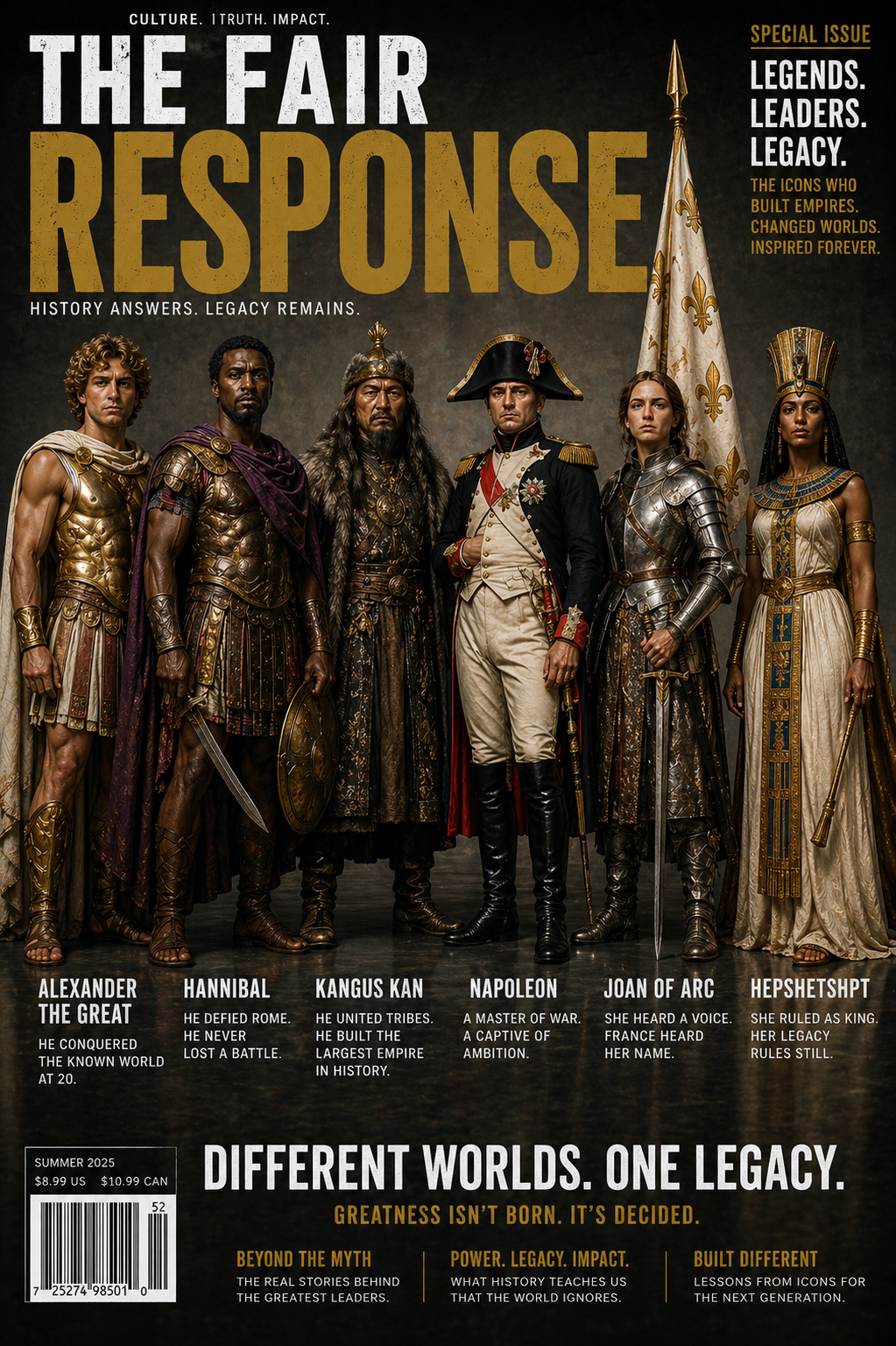
History has always been a fight over memory. Not just what happened, but who gets to tell it, who gets believed, who gets left in the footnotes like the world’s most disrespectful lost-and-found bin. The “New World” is one of the clearest examples of this problem. The phrase itself sounds clean, almost innocent, like Europeans arrived on an empty map and discovered a world waiting politely to be named. But the Americas were not “new” to the Indigenous nations already living there, farming there, building trade networks there, creating languages, religions, governments, and histories long before Columbus wandered into somebody else’s hemisphere and somehow got credit for “finding” it. This is where artificial intelligence becomes interesting for history: not because AI can replace historians, teachers, archives, or books, but because it can help us ask better questions, organize more evidence, compare more sources, and reveal patterns that human beings may miss while drowning in documents, dates, and badly scanned PDFs from 1897. Humanity invented bureaucracy, then complained that it had too many records. Naturally, now we need machines to help us read the mess.
AI can be powerful in historical study because history is built from evidence, and evidence is often scattered across archives, newspapers, census records, ship logs, oral histories, maps, photographs, diaries, court records, missionary reports, plantation ledgers, and government documents. In the study of the New World, this matters deeply because the archive itself is uneven. European colonizers wrote a lot. Indigenous people often preserved history through oral tradition, material culture, place names, art, memory, and community practice. Enslaved Africans and their descendants were frequently recorded by systems that denied their full humanity, meaning that their lives appear in sale documents, punishment records, runaway ads, baptismal registers, plantation inventories, and court proceedings. AI can help sort through these materials at a scale that would take one historian years to process manually. It can transcribe handwritten documents, translate colonial Spanish, French, Portuguese, Dutch, and English texts, identify repeated names across records, map migration patterns, and help students visualize how empires, trade routes, disease, labor systems, and resistance movements shaped the Atlantic world. Used carefully, AI can help us recover hidden lives from the archive. Used carelessly, it can turn the past into fake confidence with better fonts.
The American Historical Association makes this distinction clearly in its 2025 guidance, warning that generative AI can “mimic some of the work done by historians and history educators,” but that this “should not be mistaken for teaching or for learning” . That sentence is important because it draws the line. AI can imitate the surface of historical thinking, such as summaries, timelines, comparisons, and essay outlines. But historical thinking is not just producing text. It is sourcing, contextualizing, corroborating, questioning, interpreting, and admitting uncertainty when the evidence is incomplete. In other words, history requires judgment. AI can help students reach the door, but the student still has to walk through it. Otherwise, we are not teaching history; we are teaching copy-and-paste with better lighting.
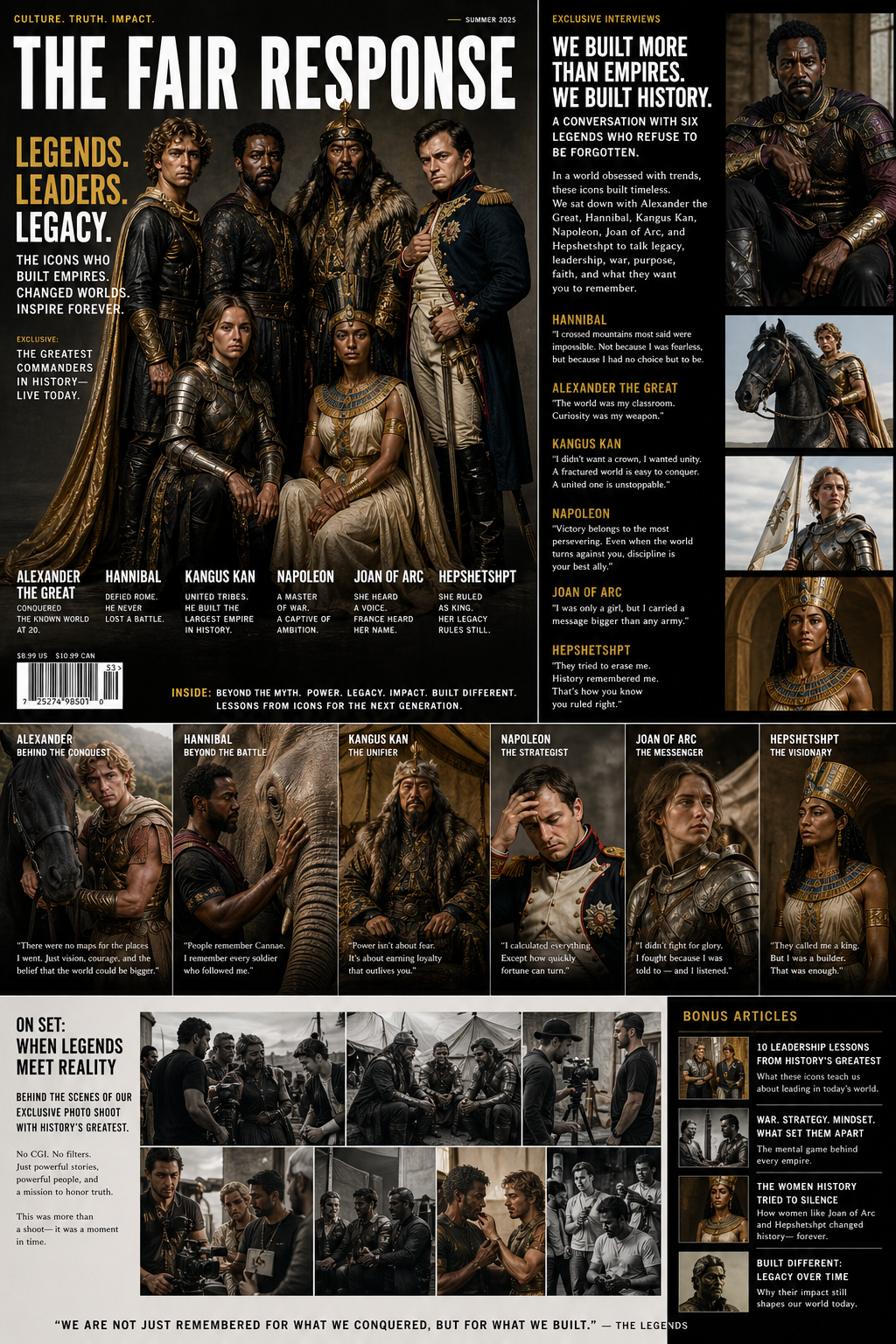
The strongest case for AI in the history classroom is that it can make difficult historical material more accessible. A sixth or eighth grade student reading a primary source about colonization may struggle with old spelling, unfamiliar vocabulary, religious language, or political assumptions from the time period. AI can rephrase a document at different reading levels, create vocabulary lists, generate guiding questions, or compare two viewpoints. A teacher could give students a short excerpt from Bartolomé de las Casas, a Spanish colonial law, an Indigenous account, and a plantation record, then ask AI to help generate categories of comparison: power, labor, religion, violence, trade, land, and resistance. But the teacher must require students to return to the original sources. AI should be a lantern, not the courthouse verdict. UNESCO’s guidance says generative AI should be shaped by a “human-centred vision” and used in ways that benefit and empower teachers, learners, and researchers . That means the teacher stays in control of the lesson, the evidence stays visible, and the student still has to think. Tragic, I know. Thinking remains undefeated.
AI can also help students understand historical scale. The New World was not one story. It was a collision of worlds: Indigenous civilizations, European empires, African diasporic survival, capitalism, Christianity, disease, land theft, rebellion, and cultural creation. AI tools can help students build maps showing the Columbian Exchange, compare the Spanish encomienda system with English plantation slavery, or trace how sugar, tobacco, silver, and cotton shaped global markets. Students can ask: How did the movement of horses transform Indigenous societies on the Great Plains? How did smallpox alter political power? How did African foodways, music, religion, and agricultural knowledge survive forced migration? How did the Haitian Revolution change the Atlantic world? These are not small questions. These are “sit down and clear your afternoon” questions. AI can help gather starting points, organize themes, and model inquiry paths, especially for students who struggle with reading dense material. But again, the machine must not become the historian. It must become the assistant librarian who works fast but occasionally lies with the confidence of a man wearing a Bluetooth headset in public.
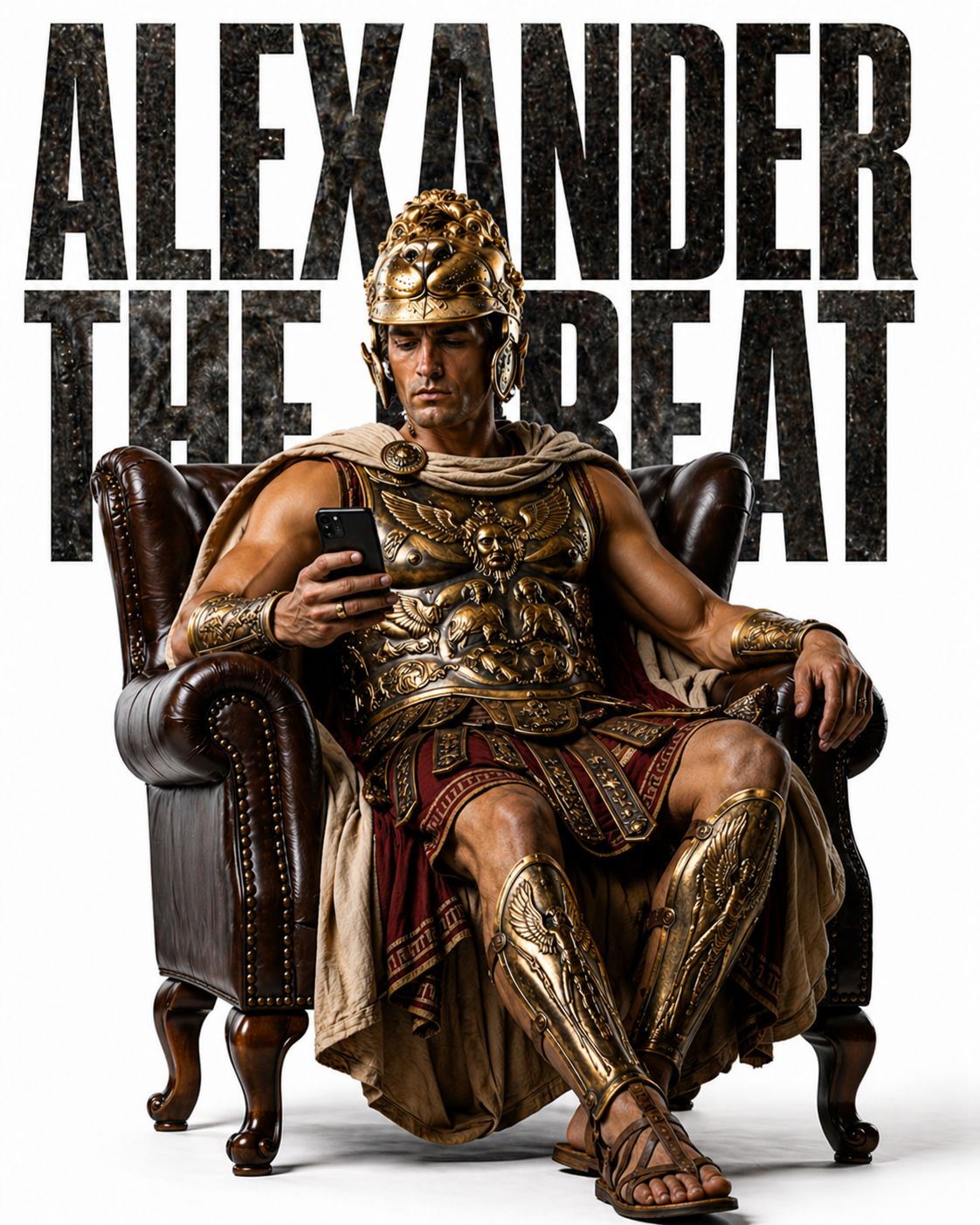
That danger is not theoretical. AI systems can hallucinate, meaning they can produce false information that sounds credible. This is especially dangerous in history because fabricated citations, fake quotes, and invented primary sources can spread quickly. Stanford’s 2025 AI Index notes that AI in education offers benefits such as personalized learning, but also poses risks including “hallucinating false outputs,” reinforcing bias, and weakening critical thinking . In history, hallucination is poison. If AI invents a quote from Frederick Douglass, misattributes a treaty, or creates a fake diary entry from an enslaved person, students may absorb falsehood as fact. That is not just a mistake; it is historical damage. The problem gets worse when dealing with traumatic histories such as slavery, genocide, colonization, and the Holocaust. UNESCO has warned that AI could spread false and misleading information about the Holocaust through deepfakes, unreliable outputs, and simulated historical figures . The same risk applies to New World history. Imagine an AI-generated “interview” with an Indigenous leader that never happened, or a fake plantation image that looks real enough to circulate online. Suddenly, the classroom has turned into a misinformation factory with a lesson plan attached. Magnificent. Civilization really does enjoy stepping on rakes.

The second danger is bias. AI learns from data, and historical data is already shaped by power. If most surviving colonial records were written by colonizers, then AI may reproduce colonial assumptions unless teachers and students actively challenge it. A model may summarize conquest as “settlement,” describe Indigenous resistance as “conflict,” or treat European sources as more authoritative simply because they are more abundant. That is not neutrality. That is the archive whispering through the algorithm. Historians have always known that sources are not innocent. Michel-Rolph Trouillot argued in Silencing the Past that power enters history at every stage, from the making of sources to the making of narratives. His famous point, “Silences enter the process of historical production at four crucial moments,” remains one of the best warnings for the AI age (Trouillot, 1995, p. 26). AI can multiply those silences if it treats available data as complete truth. So the teacher’s job is not just to use AI, but to teach students to interrogate AI: Who is missing? Whose voice is centered? What language does the tool use? What evidence supports this claim? What does the tool assume?
This is where history teachers can use AI beautifully. Instead of banning it outright, which sounds strong until students use it anyway under the desk like it is contraband candy, teachers can build assignments that expose its strengths and weaknesses. A strong classroom activity might ask students to prompt AI for a summary of the Columbian Exchange, then compare that summary against textbook passages, primary sources, and scholarly articles. Students would mark what AI got right, what it oversimplified, what it ignored, and what language choices shaped the interpretation. Another activity could ask AI to write from the perspective of a European explorer, then students critique the bias, missing Indigenous perspective, and historical inaccuracies. A third activity could use AI to generate three possible thesis statements about slavery in the Atlantic world, then students must revise them using evidence from real sources. That is the difference between cheating and thinking with tools. One avoids work. The other reveals work.
The question of whether AI belongs in classrooms should not be answered with panic or blind worship. Schools do this charming thing where every new technology is either the death of education or the salvation of mankind. The pencil probably had haters too. UNESCO’s broader AI education guidance argues that AI can help address educational challenges, but that rapid development creates risks that have often moved faster than policy and regulation . The answer is not “AI everywhere.” The answer is “AI with rules, purpose, and adult supervision,” which, honestly, would improve most human institutions. The American Historical Association also emphasizes that AI policies must be shaped locally because the technology changes quickly and rigid rules become outdated within months . For classrooms, that means teachers need flexible guidelines: disclose AI use, verify claims, cite sources, protect student privacy, avoid replacing original reading, and never allow AI-generated work to stand in for student analysis.
In practical terms, AI should be used in history classrooms in five controlled ways. First, as a reading support tool. Students can ask AI to define terms, simplify difficult passages, or explain context before returning to the primary source. Second, as a research organizer. AI can help students build outlines, compare themes, and create timelines, but all factual claims must be checked against reliable sources. Third, as a debate partner. Students can ask AI to present an argument, then challenge it using evidence. Fourth, as a revision coach. AI can help students improve clarity, grammar, and structure without replacing their ideas. Fifth, as a media literacy target. Students should study AI itself as a historical force, asking how technology shapes knowledge, labor, power, and truth. That last one matters because AI is not just a tool used to study history. It is now part of history.
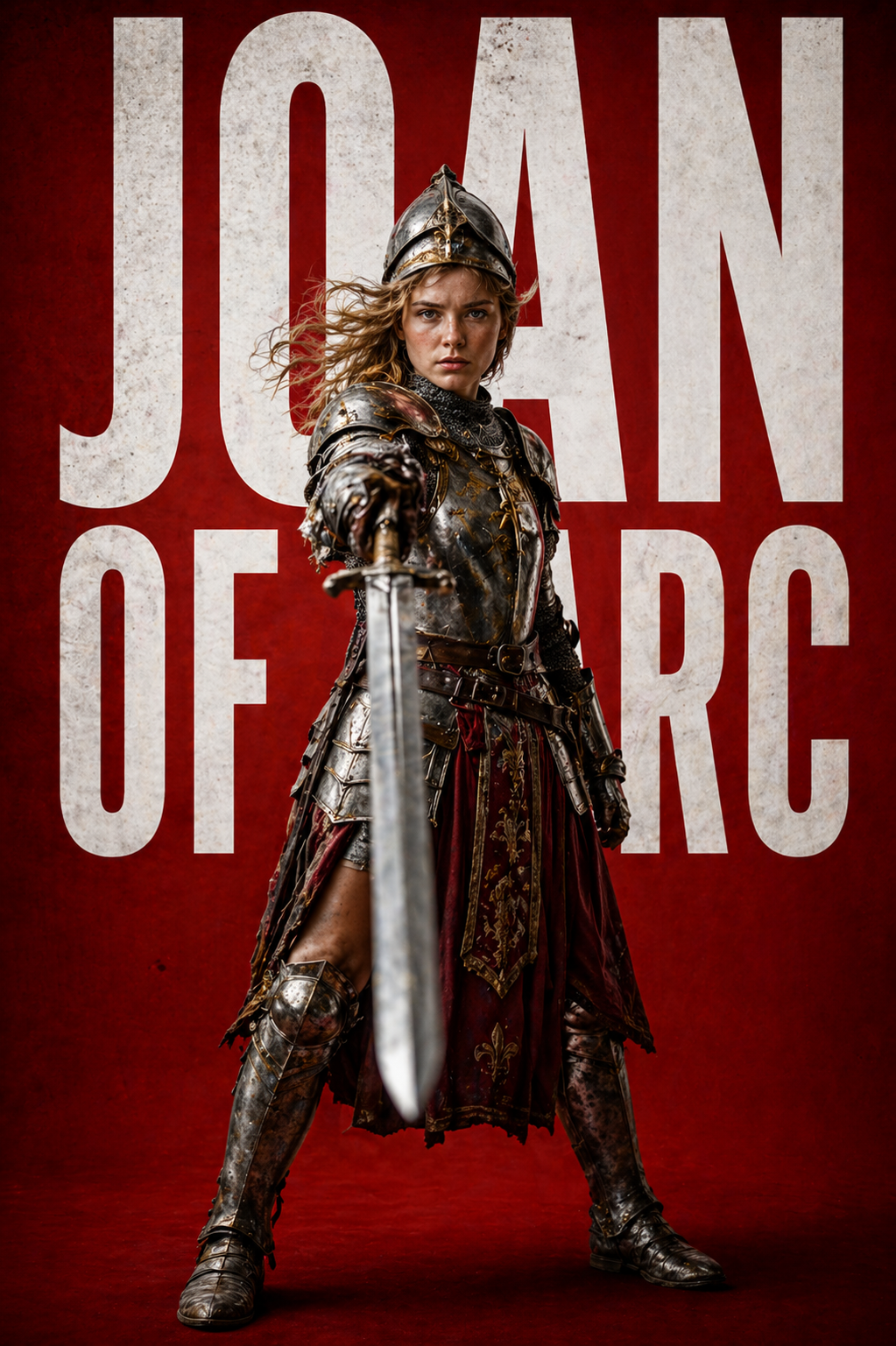
For New World history, AI opens incredible possibilities in public history and digital archives. Museums can use AI to create searchable collections. Researchers can use machine learning to analyze patterns in slave ship databases, land records, newspaper advertisements, and migration documents. Students can use AI-supported maps to see how European colonization expanded over time, how Indigenous land was seized treaty by treaty, and how African diasporic communities formed across the Caribbean, Latin America, and North America. AI can help make invisible systems visible. It can show that colonization was not one event but a process: legal, military, religious, economic, environmental, and cultural. That matters because students often learn history as a parade of dates. AI can help them see history as a network of causes and consequences. That is where the tool shines.
But AI should not be trusted with moral interpretation by itself. This is especially important when teaching slavery, Indigenous genocide, forced conversion, racial capitalism, and empire. A machine can summarize what happened, but it cannot feel the weight of a child sold away from a mother, a nation removed from ancestral land, a language suppressed, or a community forced to survive under law designed to erase it. History education must keep the human center. The archive is full of pain, brilliance, survival, greed, courage, hypocrisy, and invention. AI can point toward those things, but it cannot honor them. Only human beings can decide that a record is not just data, but evidence of a life.
There is also the equity issue. Some students will have access to better AI tools, faster internet, paid platforms, and adults who know how to guide them. Others will not. Stanford’s 2026 AI Index reports that four out of five U.S. high school and college students use AI for schoolwork, while only half of middle and high schools have AI policies, and only 6% of teachers say those policies are clear . That is a recipe for confusion. The students with resources learn how to use AI strategically. The students without guidance either get punished, fall behind, or use it badly. That is not academic integrity; that is policy roulette. If schools allow AI, they must teach it openly. If they restrict it, they must explain why. Either way, pretending students are not using it is educational theater, and not even good theater.
The strongest argument against AI in history classrooms is that it can weaken reading stamina and critical thinking. History requires students to sit with difficult texts, confusion, contradiction, and ambiguity. If AI instantly summarizes everything, students may lose the productive struggle that builds real understanding. Teachers have raised concerns that students sometimes use AI to replace their own thinking rather than support it, and research discussions have connected improper AI use with risks to cognitive effort and critical judgment . This concern is serious. A student who lets AI write every answer may produce polished work while learning almost nothing, which is basically academic fast food: convenient, shiny, and nutritionally suspicious. The solution is to design assignments where the process matters. Require source annotations, handwritten notes, oral defenses, in-class writing, document comparison charts, and reflection logs explaining how AI was used. Make students show their thinking, not just submit a finished product.
The strongest argument for AI is that it can democratize access to complex historical thinking when used well. A struggling reader can get help unpacking a primary source. An English language learner can translate and clarify vocabulary. A student with an IEP can use AI to chunk tasks, organize ideas, or rehearse explanations. A teacher can generate differentiated questions at multiple reading levels. A class can compare AI’s interpretation of an event with a historian’s interpretation and learn that history is constructed through evidence and argument. AI can make the classroom more inclusive, but only if access, training, and teacher judgment guide the process. Otherwise, it becomes one more shiny tool that benefits the already advantaged, because apparently society needed another way to make inequality more efficient.
So should we use AI in the history classroom? Yes, but not as a replacement for reading, writing, discussion, evidence, or teacher expertise. AI should be used like a junior research assistant: helpful, fast, sometimes impressive, and absolutely not allowed to drive the car. In a New World history unit, students might use AI to generate a first-pass timeline of colonization, then verify each event with textbook and primary sources. They might ask AI to compare Spanish and English colonial systems, then identify missing Indigenous and African perspectives. They might use AI to create questions for a Socratic seminar on whether the term “New World” is historically accurate or Eurocentric. They might analyze how AI describes Columbus, then rewrite the summary from multiple perspectives using evidence. They might ask AI to generate a museum exhibit plan, then critique what it includes and excludes. The goal is not to make students dependent on AI. The goal is to make them sharper than AI.
The future of history education should not be humans versus machines. That is too simple, and frankly too dramatic, like a bad movie trailer narrated by a man who thinks volume equals meaning. The real issue is whether AI will deepen inquiry or flatten it. If we use AI to avoid history’s difficulty, we will produce students who know less but submit cleaner paragraphs. If we use AI to question sources, uncover silences, compare narratives, and challenge bias, we may produce better historical thinkers. That is the prize. Not faster essays. Better minds.
In the end, AI belongs in the history classroom only if history remains the master and AI remains the tool. The study of the New World demands careful attention to power, memory, violence, survival, and cultural creation. It demands that students understand that the past is not dead material waiting to be summarized. It is contested ground. AI can help students walk that ground with maps, translations, questions, and patterns. But it cannot tell them what justice means. It cannot decide whose memory matters. It cannot mourn, honor, doubt, or witness. That work still belongs to us. Which is inconvenient, yes, but also necessary. The robots can help carry the books. They do not get to write the final chapter alone.
References
American Historical Association. (2025). Guiding principles for artificial intelligence in history education.
American Historical Association. (2025). AHA publishes guiding principles for artificial intelligence in history education.
Associated Press. (2024). AI could help spread false and misleading information on Holocaust, UNESCO report warns.
Stanford Institute for Human-Centered Artificial Intelligence. (2025). AI Index Report 2025: Education.
Stanford Institute for Human-Centered Artificial Intelligence. (2026). AI Index Report 2026: Education.
Trouillot, M.-R. (1995). Silencing the past: Power and the production of history. Beacon Press.
UNESCO. (2023). Guidance for generative AI in education and research.
UNESCO. (2025). Artificial intelligence in education.
 The Fair Response
Leave a comment