Jimmie Fair
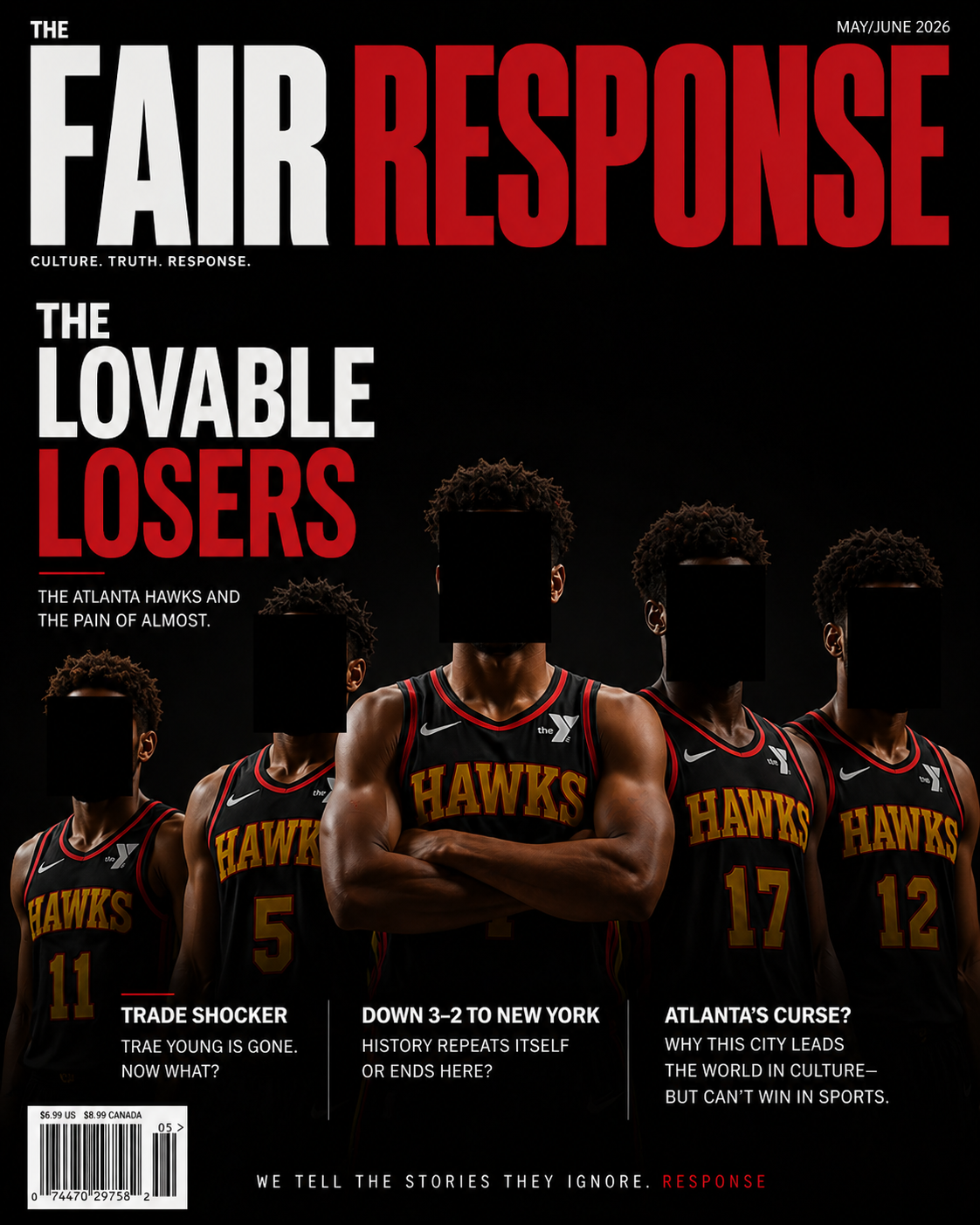
You ever notice how certain conversations only happen after the plates are full and the room gets quiet? Not quiet like empty, but quiet like everybody’s thinking the same thing and waiting on somebody else to say it first. That’s where the Atlanta Hawks live. Not in the noise of tip-off or the chaos of a fast break, but in that still moment afterward, when the game is over and you’re left sitting with what just happened… or what didn’t.
Right now, that feeling got a number on it. Three to two. Down to the New York Knicks. And if you’ve been around Atlanta long enough, you don’t just see a series score. You feel a pattern trying to introduce itself again like an old relative nobody invited but somehow always finds their way back to the house.
Atlanta is a city that knows how to rise. That’s the irony that makes this whole thing feel personal. This place was carved out of contradiction. Built on land that remembers things folks would rather forget, yet lifted by voices that refused to let it stay that way. The Civil Rights Movement didn’t just pass through here, it rooted itself, grew something, changed the air. You can’t say Atlanta without saying Martin Luther King Jr., and you can’t say modern culture without eventually circling back to Outkast and the way this city taught the world how to sound like itself.
Atlanta doesn’t follow. It leads. In music, in business, in identity. It turned struggle into a brand before branding was even a thing. It made being from here mean something everywhere else.
So explain to me, in plain language, why its basketball team still feels like it’s asking permission to be great.
That’s the part that don’t sit right. Not the losing itself. Losing happens. It’s the way the Hawks lose. The way they flirt with something real just long enough to make you lean forward, then pull back like they remembered they weren’t supposed to stay there. It’s like watching somebody with all the talent in the world hesitate right when it’s time to step into it.
And this ain’t new.
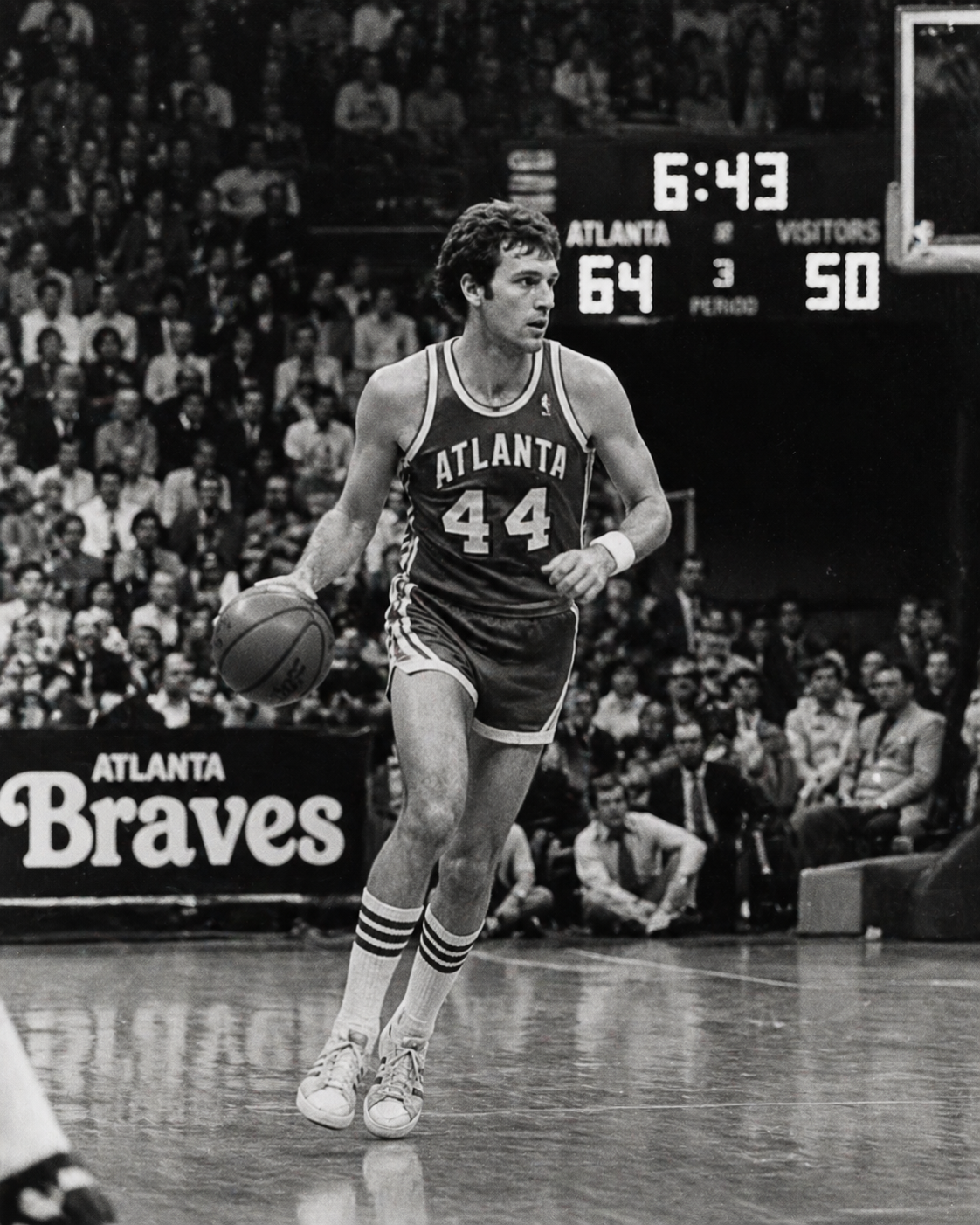
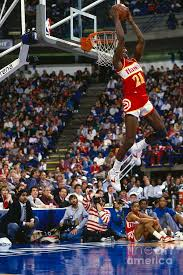
You go back to Dominique Wilkins, and if you were lucky enough to see it or old enough to remember the stories right, you know Atlanta once had a man who treated the rim like it had offended him personally. Dominique didn’t ask if he belonged. He announced it. Night after night. Dunk after dunk. And still, somehow, it never turned into the thing people here were waiting for. It gave you highlights. It gave you pride. It didn’t give you a parade.
Then time passes, like it always does, and you find yourself in another era, another hope, another version of the same question dressed up in new colors. Enter Trae Young. Small frame, big game, the kind of confidence that feels tailor-made for Atlanta. Pulling up from distances that don’t make sense, smiling at crowds that don’t like him, turning arenas into stages and games into statements. For a moment, it felt like the city and the player were speaking the same language.
Especially that run in 2021. You remember that. You have to. Walking into New York, into that building, and making it yours. That wasn’t just basketball. That was theater. That was a message. That was Atlanta showing up in a place that prides itself on being louder, tougher, more historic, and saying, “We here too.”
So what happened?
That’s the question that keeps circling back, the one people try to answer with stats and rosters and matchups, but it don’t feel like numbers alone can explain it. Because on paper, the Hawks aren’t supposed to feel this… unfinished. They’ve had talent. They’ve had moments. They’ve had just enough success to make the lack of more feel like something missing, not something expected.
And then there’s that draft night. You know the one. The decision that sits quietly in the background of every Trae Young conversation whether folks want to admit it or not. Passing on Luka Dončić. A move that made sense in theory, in philosophy, in identity. Trae fit Atlanta. Luka fit… well, winning, if we’re being honest in a way that makes people uncomfortable.
But this ain’t about saying the Hawks chose wrong like it’s some simple math problem you can solve after the fact. It’s deeper than that. It’s about what that decision represents. A franchise choosing style, identity, belief in its own vision. And now, years later, still trying to prove that belief leads somewhere solid.
Trae is not the problem. That’s too easy. Too lazy. He’s also not the full answer. And that’s where things get complicated. Because when your best player can take over a game but can’t always control a series, when he can electrify but not stabilize, you end up in this space the Hawks keep finding themselves in. Good enough to scare people. Not consistent enough to finish them.
And that’s where management comes in, or rather, doesn’t come in the way it should. Because if you watch this team closely, you don’t see a clear blueprint. You see pieces. You see talent. You see flashes. What you don’t see is conviction. Not the kind that says, “This is who we are, and we’re building everything around that whether it’s comfortable or not.”
Instead, it feels like a franchise hedging its bets. Trying to be competitive without fully committing to contention. Trying to rebuild without fully embracing the pain that comes with it. Living in that middle space that looks safe but leads nowhere.
And Atlanta, as a city, doesn’t do middle.
This is a place that reinvents itself every decade. That takes risks. That pushes culture forward whether the rest of the country is ready or not. The music alone tells you that. From Outkast to everything that followed, Atlanta never waited for approval. It created its own lane and dared everybody else to catch up.
So why does the Hawks organization feel like it’s waiting?
That’s where the conversation gets uncomfortable enough to matter. Because you start wondering if it’s not just about basketball decisions. If it’s not just about players and coaches and rotations. You start wondering if there’s something deeper in the way this city experiences sports.
Look at the Atlanta Falcons. You can’t talk about Atlanta sports without that shadow showing up eventually. Twenty-eight to three. A lead so big it felt like destiny had already been decided. And then, somehow, unbelievably, it wasn’t. That moment didn’t just end a game. It carved something into the identity of a fan base. It taught people here that even when everything looks right, something can still go wrong.
That kind of memory lingers. It changes how you watch. It changes how you hope. You stop asking, “Are we going to win?” and start asking, “What’s going to happen this time?”
Even the Atlanta Braves, who actually brought championships home, feel like they exist in a slightly different space now. Yes, they’ve won. Yes, they’ve given the city moments to hold onto. But there’s a disconnect, a subtle shift. They’re Atlanta, but not quite Atlanta in the way the heart of the city feels itself.
And then you have Atlanta United FC, who came in like they didn’t get the memo about how things are supposed to go here. They won early. Decisively. Like it was natural. Like this whole “waiting” thing was optional.
So now you’re left with the Hawks, again, staring at a moment that could define something or repeat something. Down 3–2. Season hanging in the balance. And the question isn’t just about whether they can win two more games.
It’s about whether they can break a pattern.
Because patterns are powerful. They sneak up on you. They disguise themselves as coincidence until suddenly they’re expectation. And right now, the expectation around the Hawks isn’t that they’ll collapse in some dramatic, headline-grabbing way. It’s worse than that.
It’s that they’ll come close.
Close enough to keep you invested. Close enough to keep you watching. Close enough to make you believe just enough to feel it when it slips away again.
And that’s the part that feels like sitting at that Sunday table, fork in your hand, listening to stories you’ve heard before but still hoping the ending changes this time.
So what does it take?
Not talent alone. Atlanta has had that. Not moments. We’ve seen those too. It takes identity. It takes a willingness to decide who you are and live with the consequences of that decision. It takes leadership that isn’t afraid to be wrong in the short term if it means being right when it matters.
It takes a player, or players, who don’t just perform, but impose. Who don’t just entertain, but control. Who don’t just show up, but finish.
And maybe, just maybe, it takes a fan base that keeps believing even when it doesn’t make logical sense to do so. Because if you’re still here, still reading, still thinking about this team, you already know what that feels like.
You know what it is to care about something that hasn’t given you everything you feel like it should.
You know what it is to look at a scoreboard and see more than numbers.
You know what it is to stay at the table a little longer, listening, hoping, holding onto the idea that one day the story will land differently.
So here’s the question, the one that matters more than any stat line or matchup breakdown:
If the Hawks come back and win this series, if they push past this moment and turn it into something real, something lasting, does that change how we see them… or how we see ourselves as Atlanta fans?
And if they don’t…
How many more times do you come back to the table before you start to believe this is just how the meal goes?
Somewhere between faith and frustration, between history and hope, between what Atlanta is and what it keeps almost becoming, the Hawks are still trying to find their place.
And maybe that’s why people keep watching. Not because they expect the ending.
But because they’re still waiting to see if, just this once, it finally feels like something worth celebrating all the way through.
 The Fair Response
Leave a comment