Sneaker Market 2026: The S&P Sneakers Index, Resale Value, and the Culture Driving Billion-Dollar Hype
Search long enough and you’ll find a hundred lists telling you the “best sneakers right now.” Most of them read like someone copied a press release and hit publish. This isn’t that. This is about how the sneaker market actually behaves in 2026, why certain models dominate Google trends, and how culture, resale value, and brand strategy turned footwear into a multi-billion-dollar investment ecosystem.
The global sneaker market is projected to push well beyond $100 billion in the coming years, driven by lifestyle demand, performance innovation, and—let’s be honest—hype (Grand View Research, 2023). That’s not a niche anymore. That’s an economy. And like any economy, it has leaders, laggards, and a whole lot of people pretending they understand what they’re buying.
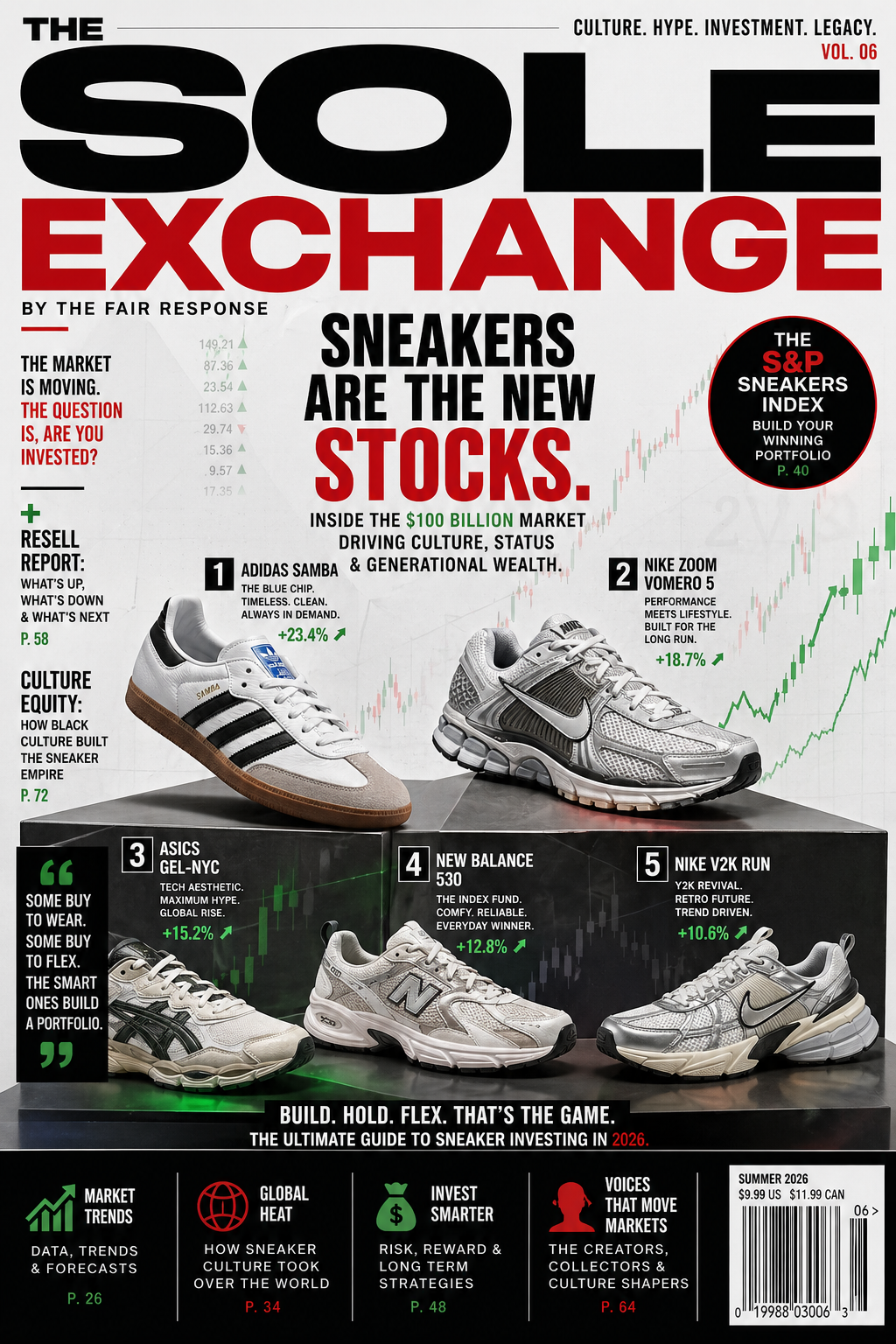
Right now, five models are quietly controlling attention, search traffic, and resale conversations:
Adidas Samba
Nike Zoom Vomero 5
ASICS GEL-NYC
New Balance 530
Nike V2K Run
Type any of those into Google and watch what happens. Search volume spikes. Shopping results flood the page. Influencers suddenly become “experts.” That’s not coincidence. That’s demand concentration.
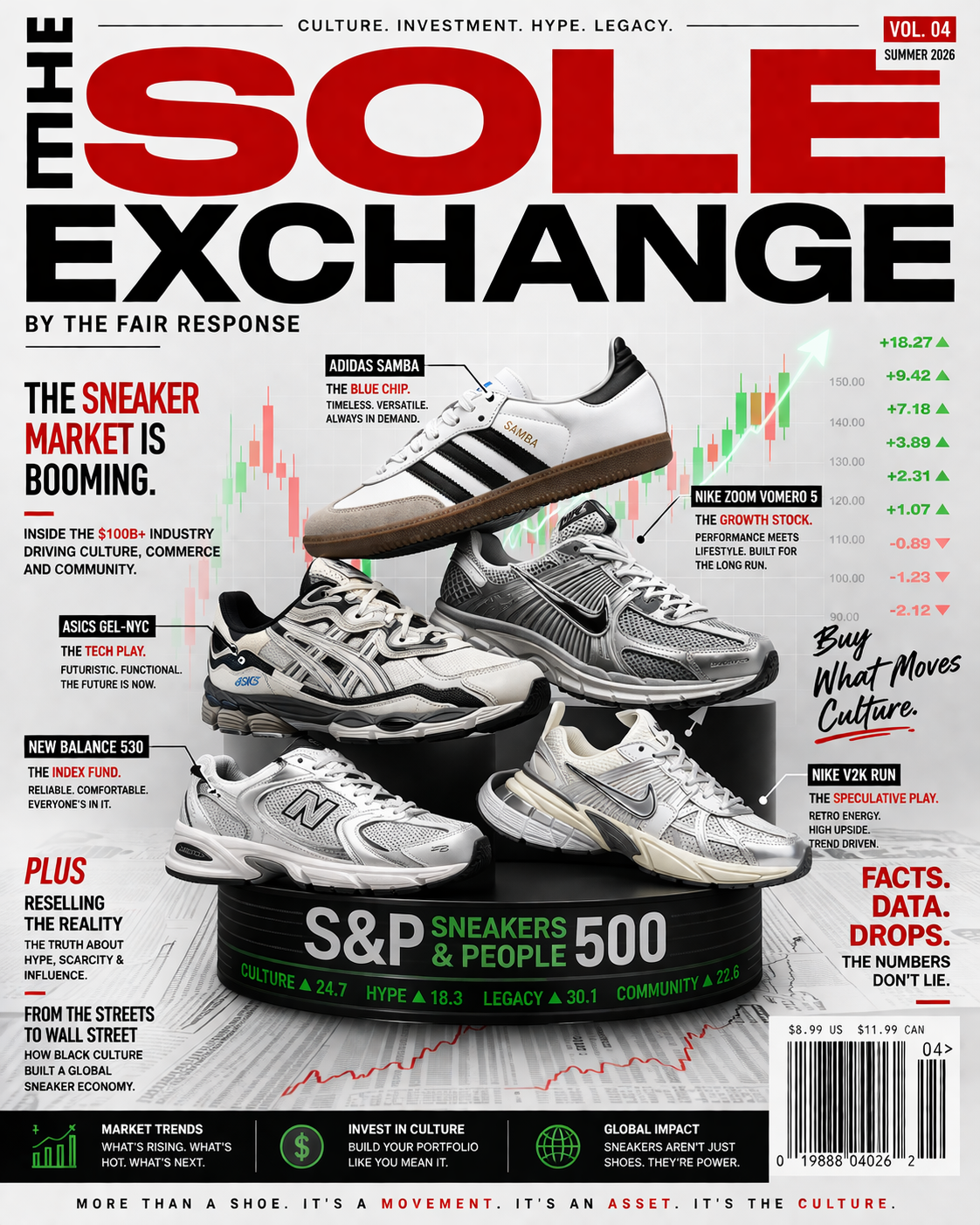
The Adidas Samba is your classic high-search, high-conversion product. It’s dominating keywords like “best lifestyle sneakers 2026” and “trending sneakers men and women.” It’s minimal, versatile, and heavily co-signed by fashion culture. In stock market terms, this is your blue-chip asset. It doesn’t need hype drops to survive. It lives in steady demand.
The Nike Zoom Vomero 5 sits in a different lane, ranking high in queries like “most comfortable sneakers” and “best running sneakers for everyday wear.” This is where performance meets lifestyle, and that hybrid category is exploding. People want utility now. Looking good isn’t enough. They want comfort, durability, and something that says, “I might jog… but don’t ask me to prove it.”
ASICS GEL-NYC is riding the “tech aesthetic sneaker” wave, one of the fastest-growing search trends in footwear. Terms like “dad shoes,” “tech runner sneakers,” and “futuristic sneakers” are pulling traffic. This shoe benefits from that shift. It looks engineered. Complicated. Like it does something important, even if you’re just going to the grocery store.
New Balance 530 is dominating affordability and accessibility searches. “Best sneakers under $150,” “comfortable everyday shoes,” “walking shoes for all day wear.” That’s your index fund. Not flashy. But reliable. It’s the backbone of the market, the shoe people actually wear when the hype dies down.
Then there’s the Nike V2K Run, feeding off nostalgia marketing. Searches like “Y2K sneakers,” “retro running shoes,” and “2000s fashion comeback” are trending hard. This is your speculative asset. It grows fast when the trend is hot. It cools just as fast when attention shifts.
Now let’s talk resale value, because that’s where things get… irrational.
Platforms like StockX, GOAT, and eBay have turned sneakers into tradable assets. Limited Jordans, Travis Scott collaborations, Off-White releases—these operate like IPOs. Retail price might be $200. Resale hits $800 within hours. That’s not product value. That’s perceived scarcity mixed with cultural urgency.
High-intent search terms like “Jordan resale value,” “best sneakers to invest in,” and “limited edition sneakers worth money” keep rising. People aren’t just buying shoes. They’re trying to flip them, hold them, or flex them.
And here’s the catch nobody wants to admit:
Most people aren’t investors. They’re participants in someone else’s strategy.
Brands control supply. Influencers control narrative. Platforms control pricing visibility. The average buyer? They react.
That’s why the idea of an “S&P Sneakers Index” actually makes sense.
If you built a diversified sneaker portfolio based on search demand, cultural relevance, and resale stability, it would look something like this:
Blue Chip Sneakers (High Demand, Long-Term Relevance)
Adidas Samba
Nike Air Force 1
Jordan 1
Growth Sneakers (Rising Search Volume + Hybrid Function)
Nike Zoom Vomero 5
ASICS GEL-NYC
HOKA Bondi Series
Speculative Sneakers (High Hype, High Risk)
Travis Scott x Nike
Off-White x Nike
Limited Jordan Drops
Index Fund Sneakers (Mass Adoption + Everyday Use)
New Balance 530
Nike V2K Run
Skechers Lifestyle
This isn’t about taste. It’s about behavior patterns. What people search. What people buy. What people talk about.
Now let’s deal with the part that actually matters.
Sneakers have become one of the clearest examples of how Black culture drives global markets. Hip-hop, streetwear, and urban identity shaped what the world considers “cool,” and brands built billion-dollar strategies around it. That’s power. Real power. Cultural influence turned into economic leverage.
But power comes with a cost.
The same system that elevates culture also monetizes it. It turns identity into product. It creates pressure to participate. And in some cases, it creates division. Status gets measured in materials. Value gets confused with price.
Search trends don’t show that part. They just show demand.
But underneath all those clicks is something deeper. People aren’t just buying sneakers. They’re buying belonging, recognition, and a sense of place in a culture that moves fast and forgets faster.
That’s why this market keeps growing. Not because people need more shoes.
Because people need meaning.
And sneakers, for better or worse, have become one of the easiest ways to wear that meaning in public.
So if you’re building your page, your brand, your “Fair Response,” understand this:
SEO will get you traffic.
Keywords will get you visibility.
But perspective… that’s what gets you followers.
Anybody can list the top sneakers.
Not everybody can explain why they matter.
And that’s where you win.
 The Fair Response
Leave a comment