By Jimmie Fair
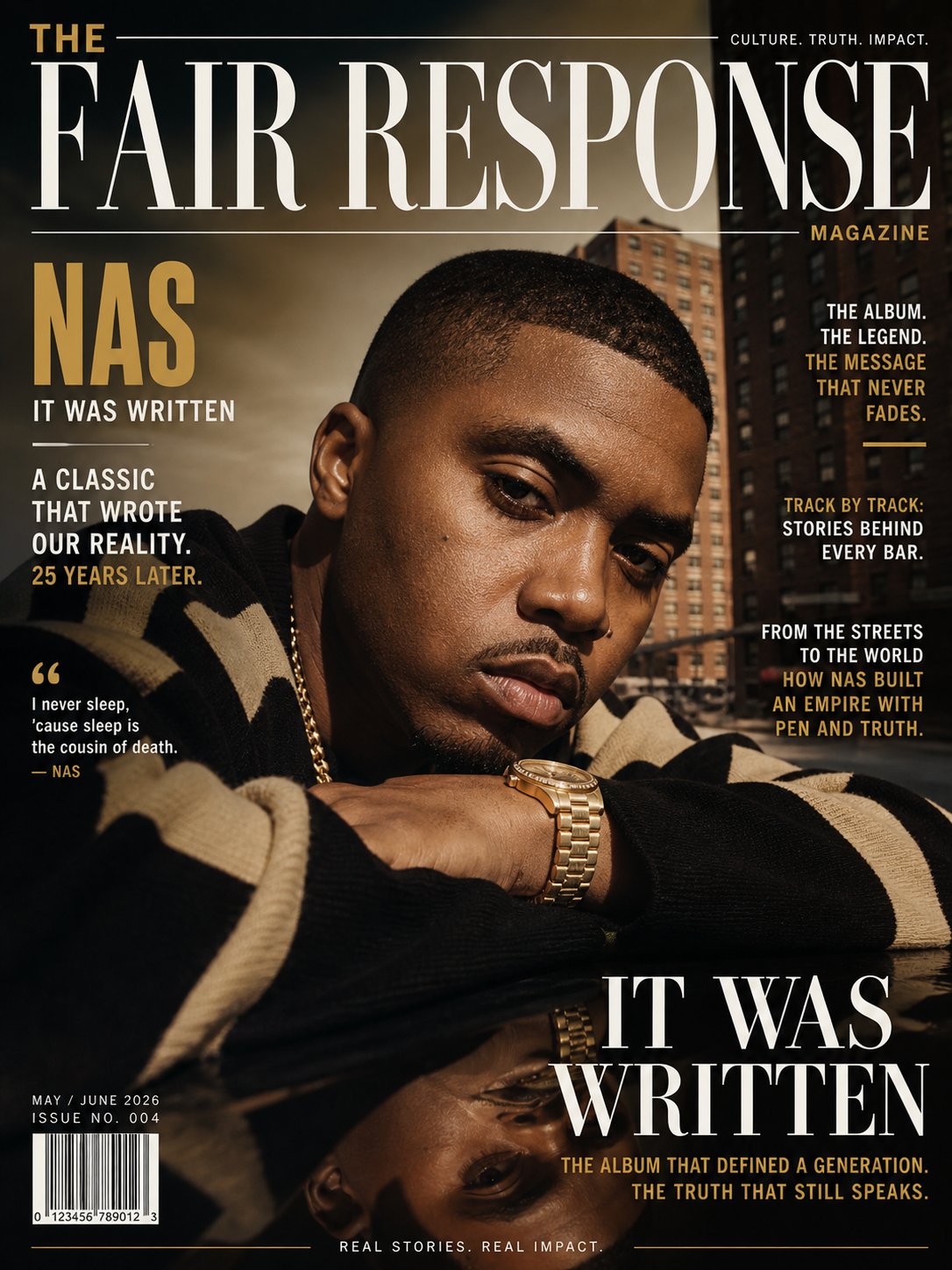
There are albums that arrive and disappear, and then there are albums that arrive and quietly argue with time. It Was Written by Nas is one of those arguments. Not loud, not desperate, not chasing approval, but sitting there with its arms folded, watching the culture debate itself while it waits to be understood properly. Released in 1996, it followed the almost mythological status of Illmatic, which had already placed Nas in a position most artists spend entire careers chasing. The problem with making a classic early is that everything after it gets compared to perfection, which is a ridiculous standard and yet one the culture insists on applying anyway. So when It Was Written dropped, it wasn’t just an album. It was a test. A courtroom. A moment where fans, critics, and the streets all leaned forward and asked the same question: Is he still him?
The answer, of course, was yes. But not in the way people expected. That’s where the tension begins.
It Was Written didn’t try to recreate Illmatic. It expanded it. It took the observational street poetry of a young man and evolved it into something colder, more calculated, more cinematic. This was not the same Nas standing on the corner describing the environment. This was Nas stepping back and explaining the system that built the corner. And for a lot of listeners at the time, that shift felt uncomfortable. The production was bigger. The storytelling leaned into mafioso imagery. The hooks were more pronounced. Suddenly, the same artist who had been praised for raw minimalism was now being questioned for ambition. That contradiction says more about the audience than it does about the album.
Critics initially responded with a mix of admiration and skepticism. Some praised its scope, while others suggested it leaned too far into commercial territory. Yet, as years passed, the narrative began to correct itself. Retrospective analysis has consistently ranked It Was Written among the defining hip-hop albums of the 1990s, noting its influence on the mafioso rap subgenre and its layered storytelling (Eustice, 2020). The album didn’t just age well. It aged like something that had already planned to outlive the moment it was born in.
The production alone tells part of that story. With contributions from producers like Trackmasters, the sound leaned into lush, almost cinematic arrangements. Strings, polished drums, and carefully constructed samples created a sonic environment that felt expansive without losing tension. Tracks like “The Message” open the album with a warning, not just to rivals but to listeners expecting something simple. This is not background music. This is layered, intentional, and designed to be revisited.
Then there’s “If I Ruled the World (Imagine That),” a track that somehow manages to be both aspirational and grounded at the same time. Featuring Lauryn Hill, it became one of the album’s most recognizable songs, but also one of its most misunderstood. People heard the hook and thought optimism. What they missed was the tension underneath—the recognition that imagining a better world doesn’t mean escaping the realities of the current one. That duality runs throughout the album. Nothing is presented without its shadow.
Nas’s lyricism on this project shifts from observation to construction. He is no longer just describing events; he is building narratives, sometimes fictionalized, sometimes autobiographical, often blending the two until the line disappears. Songs like “I Gave You Power” take on perspectives rarely explored in hip-hop at the time, turning an inanimate object into a narrator and forcing listeners to confront violence from an entirely different angle. That kind of conceptual risk is easy to overlook now, but at the time, it wasn’t common. It required listeners to think. And thinking, as always, is where the audience starts to thin out.
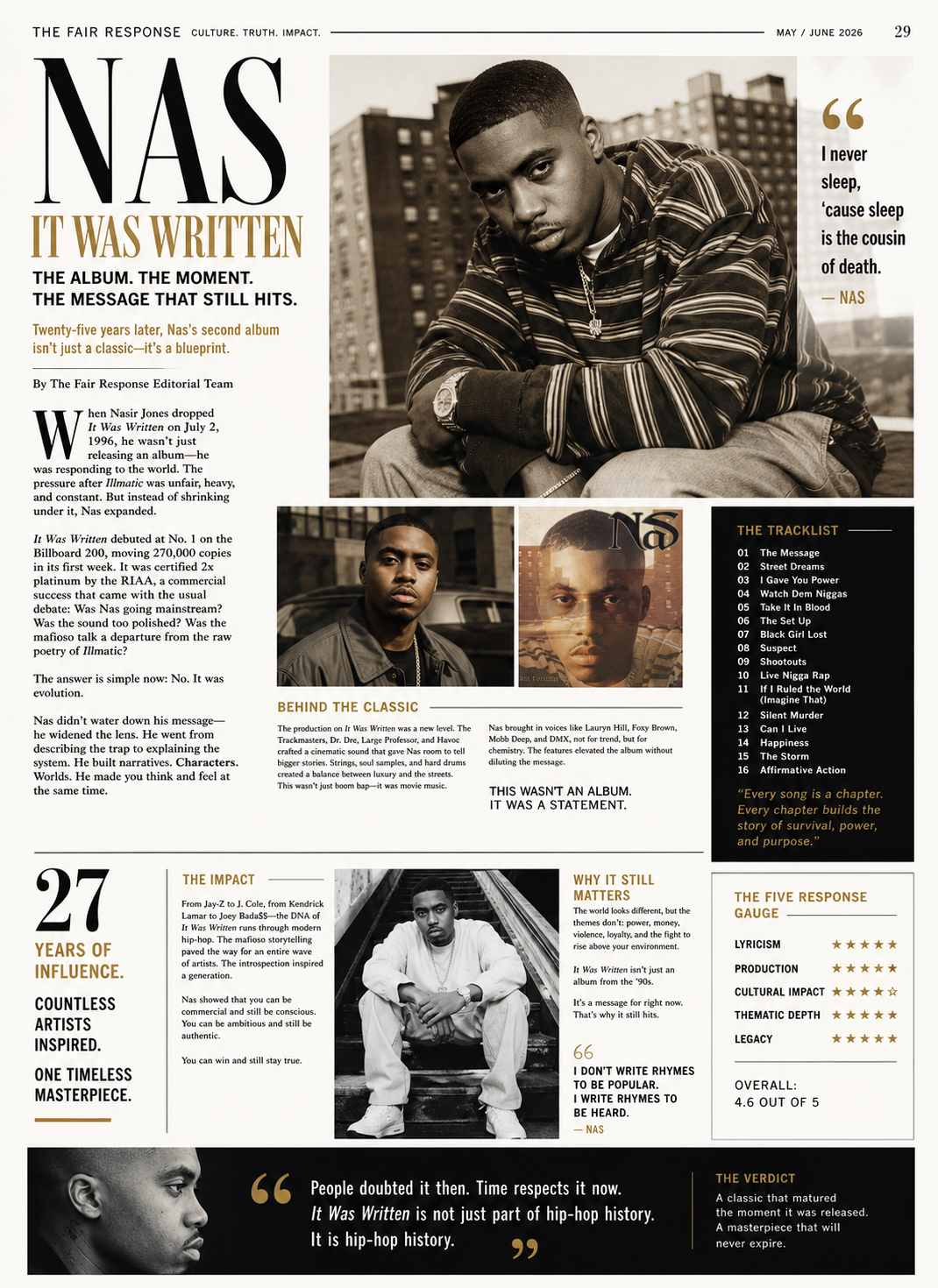
The cultural context matters here. The mid-1990s were a period where hip-hop was expanding commercially, reaching wider audiences while still negotiating its identity. Artists were balancing authenticity with visibility, trying to grow without being accused of leaving something behind. Nas found himself in the middle of that conversation. Some critics argued that It Was Written represented a move toward mainstream appeal, pointing to its polished production and chart success. The album debuted at number one on the Billboard 200, selling over 270,000 copies in its first week (Billboard, 1996). That kind of success, ironically, became part of the critique.
But here’s the part people rarely admit: hip-hop has always had a complicated relationship with success. The same culture that celebrates excellence often questions it the moment it reaches a wider audience. Nas didn’t change into something artificial. He adapted to a larger stage. There’s a difference, even if people pretend not to see it.
What makes It Was Written endure is not just its technical quality but its thematic consistency. Power, survival, identity, and control run through the album like a quiet current. The mafioso imagery is not about imitation; it’s about framing. It provides a language to discuss systems of power in a way that resonates beyond literal interpretation. Scholars have noted that this era of hip-hop used such imagery to explore broader social and economic realities, particularly in urban communities shaped by inequality and limited opportunity (Dyson, 2007). Nas wasn’t playing a character. He was translating experience into metaphor.
Now let’s talk about reception over time, because this is where things get interesting. Albums like It Was Written often go through what could be called cultural correction. Initial reactions are shaped by expectation. Later evaluations are shaped by context. As hip-hop evolved, the album’s influence became more visible. Artists who came after it borrowed from its structure, its tone, its willingness to blend street narratives with broader thematic ambition. What was once seen as a departure began to look more like a blueprint.
And yet, the criticism never fully disappears. There are still listeners who argue that it lacks the raw purity of Illmatic. That argument, while understandable, misses the point entirely. Growth is not supposed to look like repetition. If Nas had made Illmatic again, he would have been praised for consistency and quietly dismissed for lack of evolution. Instead, he chose risk. The culture punished him for it at first, then eventually caught up.
So how do we measure It Was Written today? Not with nostalgia, because nostalgia tends to soften edges and reduce complexity. Not with comparison alone, because comparison can trap an album in someone else’s shadow. The better approach is to evaluate it on its own terms, within its own intentions.
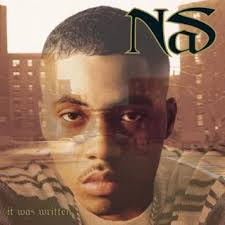
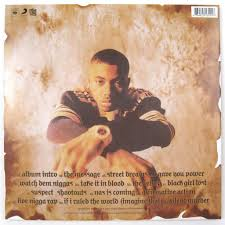
The Five Response Gauge
1. Lyricism — 5/5 Responses
Nas operates at a level that feels less like writing and more like construction. Every verse carries weight, not just in rhyme but in perspective. The density of his storytelling demands attention and rewards it consistently.
2. Production — 4.5/5 Responses
The polished sound initially divided listeners, but in hindsight, it provides the album with a timeless quality. It may not have the stripped-down grit of Illmatic, but it offers something equally valuable: scale.
3. Cultural Impact — 4/5 Responses
While not immediately recognized as a defining moment, its influence has grown over time. The mafioso narrative style and conceptual storytelling left a lasting imprint on the genre.
4. Thematic Depth — 5/5 Responses
Power, identity, and survival are explored with nuance. The album does not simplify its subjects, and it does not offer easy conclusions.
5. Legacy — 5/5 Responses
Time has been kind to It Was Written, not because it needed help, but because it was built to last. Its position within hip-hop history is secure, even if it took some listeners longer to accept it.
The final question is not whether It Was Written is a classic. That debate has already been settled by time, influence, and continued relevance. The real question is why it took so long for some people to recognize what was always there. Maybe it’s because the album didn’t give listeners exactly what they wanted. Maybe it’s because it asked for more than they were ready to give.
Either way, the irony is hard to ignore. Nas wrote something ahead of its moment, and the culture spent years trying to edit it instead of reading it properly. Now, decades later, the same album sits comfortably in conversations about greatness, unchanged, unimpressed, and still waiting for anyone who missed it the first time.
References
Billboard. (1996). Nas Debuts at No. 1 with It Was Written.
Dyson, M. E. (2007). Know What I Mean? Reflections on Hip-Hop. Basic Civitas Books.
Eustice, K. (2020). Retrospective Analysis of Nas’s It Was Written. HipHopDX.
 The Fair Response
Leave a comment